
Start a photography business in 2027
Six questions I answer for people who want to shoot for a living. The camera is the cheapest part of the answer. Every price below was read on 10 November 2026, which is when you would be buying for the 2027 season.
What actually stops people
Every week someone asks me how to start. They expect a conversation about bodies and lenses. The people who quit are almost never the ones with the wrong camera. They are the ones who never decided what they were selling, and never charged enough to keep selling it.
A photography business is three things wearing one name: a service someone books, a cost structure that survives a quiet January, and proof that the service exists. Get those three in that order and the gear becomes a detail. Get them backwards and no amount of glass saves you.
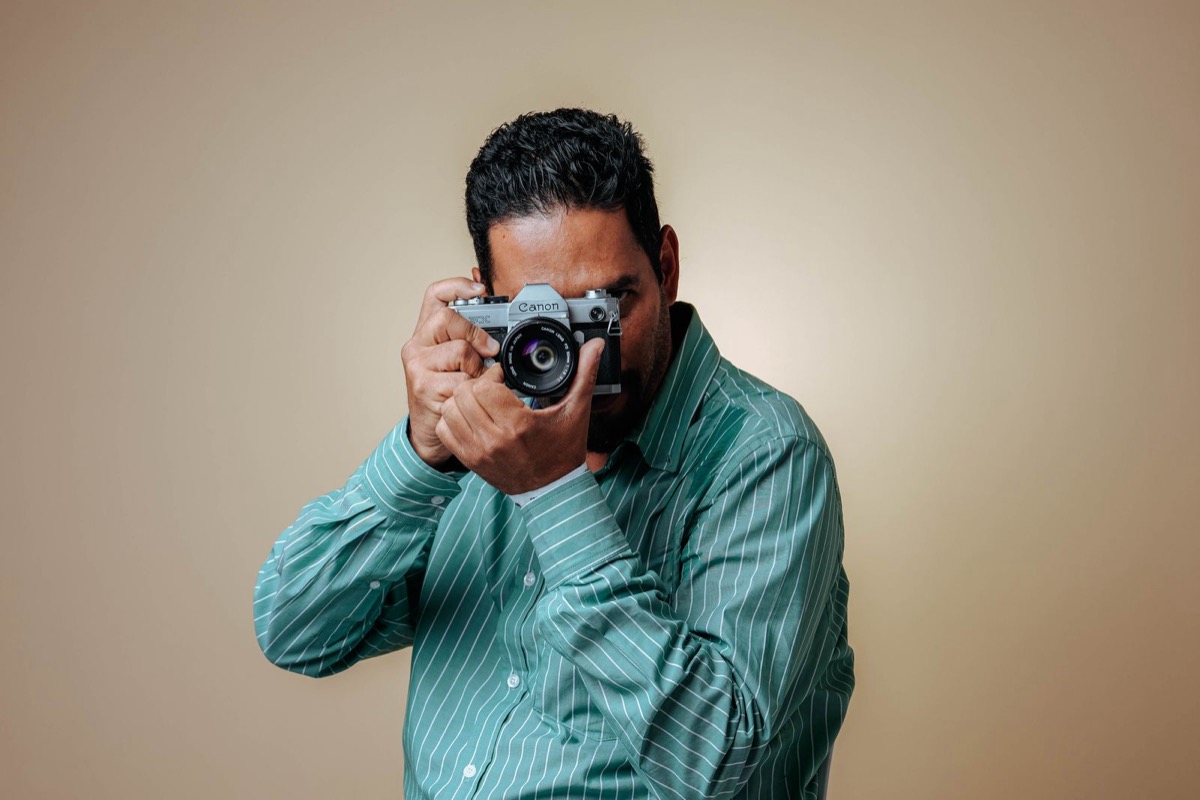
The rest of this piece is the six questions I get asked most, answered the way I would answer them across a table.
What it costs before the first booking
Do I need a company and insurance before I shoot anything?
Insurance first, because a venue will ask for a certificate before it lets you in with a tripod. A photography policy is smaller than people expect: one provider publishes annual cover from $129 a year, or $59 for a single event, with $2 million in general liability and up to $75,000 of gear cover.
The company can come second, and it is cheaper than the sales pitch: Texas charges $300 to file a certificate of formation for an entity, filed directly with the Secretary of State.
What should I buy?
One body, one lens you understand, and a second card. That is the whole list for year one. The second body is not a luxury, it is insurance against the day the first one stops, which is the day you cannot reschedule.
Rent the thing you need once. Buy the thing you need every week.
What you should not buy in year one: a studio, a second system, or a lens you have to look up. A studio is a fixed cost that arrives every month whether or not anyone books, and the first twelve months are the least predictable you will have.
Published prices, read 10 November 2026
| Item | Why it is on the list | Price | Priced at |
|---|---|---|---|
| Camera body | The thing you already know how to use | $1,499 | DPReview, Canon EOS R8 |
| One lens | Rented once, bought when it pays | $219 | DPReview, RF 50mm F1.8 |
| On-camera flash | Indoors, at dusk, in a dark room | $148–$155 | KEH, used Canon EL-100 |
| Insurance, first year | Liability and gear cover | $129 | Full Frame Insurance |
| Total before a booking | Four lines, nothing else | from $1,995 | Arithmetic on the prices above |
That is the whole floor: from $1,995, and a second card. Everything after it is a choice, and the choices are what decide whether the business survives.
What to charge, and what the tax does
How do I set a price?
From your own numbers, not from a competitor's website. Add the hours you actually work, the hours you spend editing, the insurance, the second card, the fuel, the subscriptions, and the tax you will owe. Then divide by the number of shoots you can really deliver in a month.
If the number that comes out is higher than the market, the answer is a narrower service, not a lower price. A price below your cost is a slow way of closing.
Write the number down before a client asks, because the answer you invent on the phone is always the cheaper one.
Break-even is the number that makes the method a decision. The kit in the table is $1,995. Say you charge $400 for a portrait session and $120 of it goes to travel, subscriptions and the tax you owe, so $280 stays. The kit takes eight sessions. Add $11 a month for the insurance and a quiet month needs one session just to stand still.
Those are my assumptions, not your market. Put your own three numbers in the same sentence and you have a floor to price above.
What does tax change?
You are not an employee with tax already taken. Profit is charged self-employment tax at 15.3% (12.4% Social Security, 2.9% Medicare) on top of income tax, and it is not settled in April: the IRS expects estimated payments through Form 1040-ES, quarterly.
Put a percentage aside from every payment, before you buy anything. The photographers who fail at tax are not evading it; they are spending it in March.
Who you are up against
How do I compete in a city full of photographers?
Austin has a camera trade and more working photographers than the market can feed at the same price. Competing on price means competing with the person who is about to go out of business, and their price is not a benchmark, it is a symptom.
Pick one client and one promise. A family with two small children and a hard 5pm. A couple marrying outside in April. A restaurant that needs twelve dishes shot before service. The narrower the promise, the less you are compared.
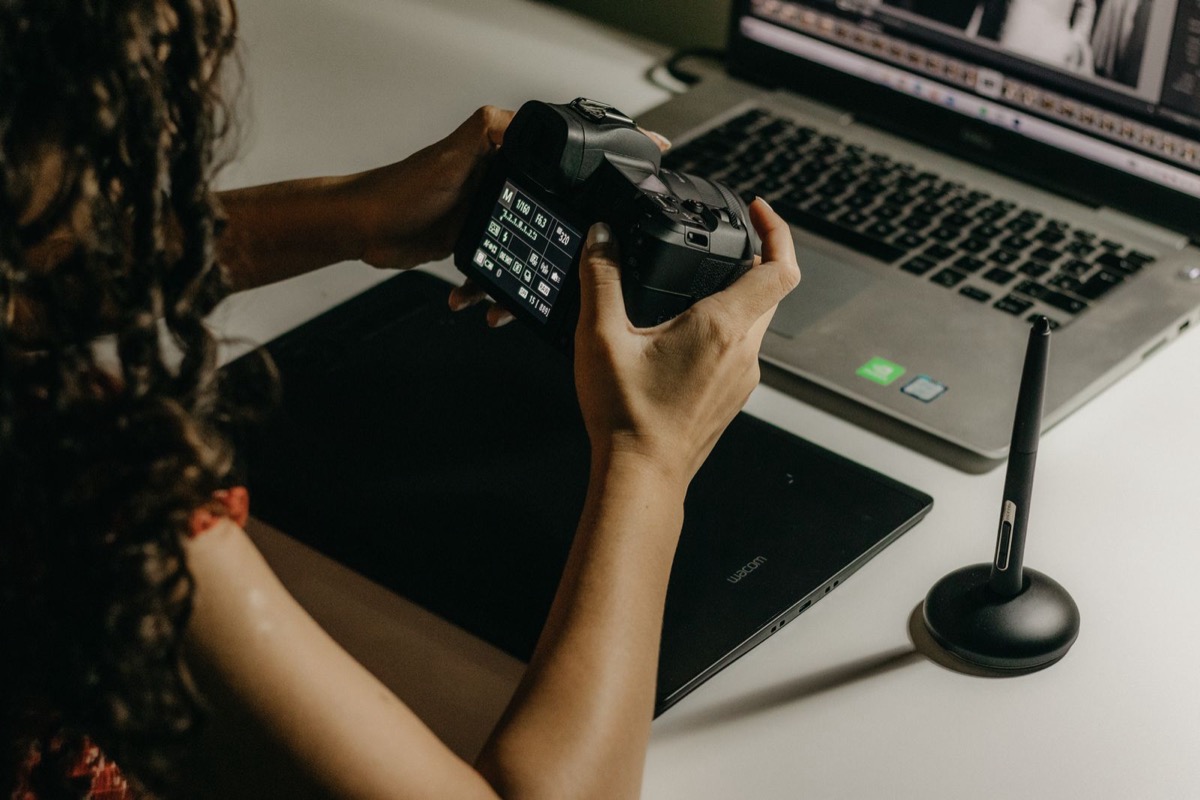
How do I get visible quickly?
Claim and verify your Google Business Profile, because that is where local search starts, and a verified profile with photos and a phone number beats an unclaimed one every time. Then one page per thing you sell, not one page for everything.
Ask for the review on the day you deliver, while the feeling is fresh. Ten reviews and a working profile will out-earn a month of advertising for a new business.
What ends it
Five things end a new studio, and none of them is technical.
- No written agreementOne page, signed: what is delivered, when, and what happens if it rains.
- One camera, one cardThe failure is rare and total, and it happens at the worst hour.
- No cash for the quiet monthsJanuary does not care that November was good. Three months of costs, in the account.
- Taking every jobEvery shoot you do for anyone teaches the market that you do anything. Saying no is the positioning.
- Waiting until it is readyNobody books a portfolio they cannot see. The first ten shoots are the advert, not the audition.
When the service and the price are settled, the cost of photography in Austin is worth reading before you set a number. What I charge for a wedding sits on its own page, and it is the number this market actually pays.