One forecast says the photography equipment market grows from $19.2 billion in 2025 to $25.8 billion in 2035. The shipment data says units fell this year. Five numbers, and what each one measures. The forecast and the receipt disagree, and the gap between them is the useful part.
How to read a market number
Two kinds of number arrive in the same inbox. One is a forecast built by a research firm from interviews and models. The other is a shipment count reported by the manufacturers themselves. They measure different things, and this year they point in different directions: one counts money, one counts boxes, and neither counts the used market where most first cameras are now bought.
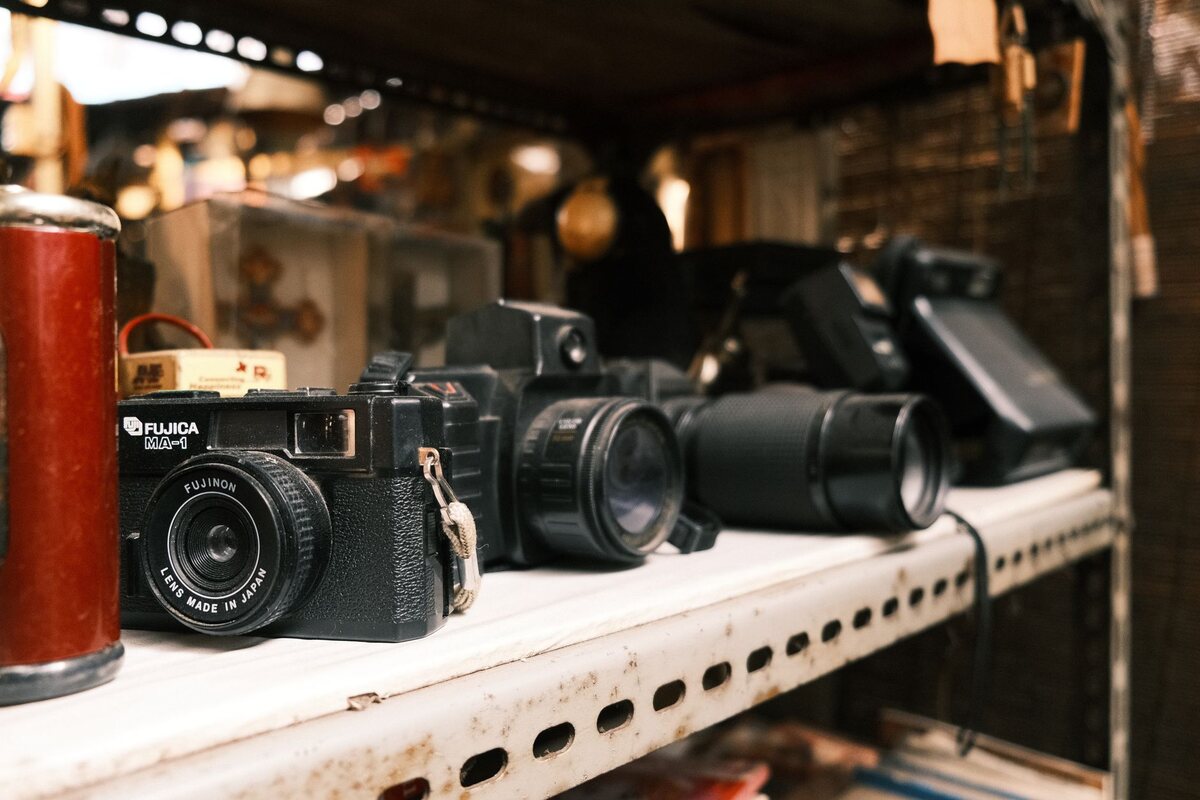
A market is also a shelf of second-hand bodies. Photo: Eka Nugraha / Pexels
Ask who countedA forecast is an estimate with a model behind it. A shipment figure is a tally with a trade body behind it.
Units and value move apartFewer cameras can earn more money. That is a mix shift, not a collapse.
Read the base yearEvery ten-year forecast is mostly an assumption. The first three years are the only part a buyer can check.
A forecast is a claim about the future. A shipment count is a receipt.
The five numbers
The first two come from one vendor report. The last three are CIPA shipment figures for 2026, reported by PetaPixel on 29 October.
01
$19.2 billion
The 2025 market estimate
WiseGuyReports values the global photography equipment market at $19.2 billion for 2025, up from $18.7 billion in 2024. The figure covers cameras, lenses, tripods, lighting and accessories, across professional and personal buyers.
Best for a reader who wants the size of the whole category: this is the broadest number here, and the least checkable. The page states the headline and the segment list; the 350-page report behind it is sold separately, and the public summary does not say whether the figure is manufacturer revenue or retail spend.
02
$25.8 billion
The 2035 forecast
The same report projects $25.8 billion by 2035, a 34 percent increase over ten years. Its stated driver is consumer interest plus social media demand for better images, with AI and mirrorless systems named as the technology shift. The arithmetic is simple: $19.2 billion growing at 3 percent a year lands at $25.8 billion after ten years.
Best for a buyer planning a decade: treat the total as a direction, not a target. A 34 percent gain across ten years is slower than inflation at the report's own 3 percent rate.
03
3 percent
The forecast growth rate
The report's compound annual growth rate for 2026 to 2035 is 3.0 percent. That is below the long-run inflation target of most central banks, which means the forecast describes a market that grows in dollars mostly by raising prices, not by selling more. That is consistent with the shipment count below, and it is the least dramatic claim on this page.
Best for a photographer pricing gear: a slow market is a discount market. Bodies age into bargains faster than the forecast implies.
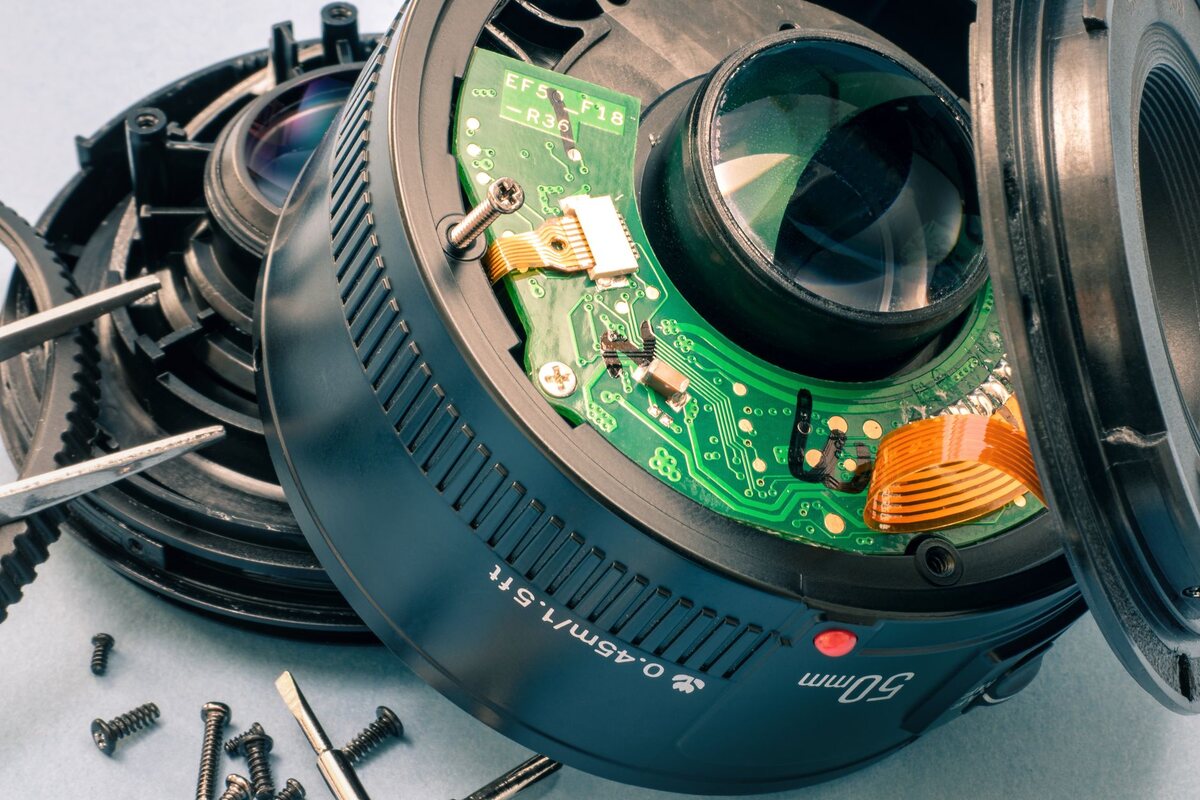
Value per unit rises when the unit is harder to build. Photo: Katja Burger / Pexels
04
5.70 million
Cameras shipped, January to August 2026
CIPA members shipped 5,704,012 digital cameras in the first eight months of 2026, against 5,889,031 at the same point in 2025 and 5,269,672 in 2024. The figure excludes Leica and Hasselblad and covers Japanese makers only. CIPA publishes the count monthly, and the August release is the latest full month before this piece was written.
Best for a reader who wants the actual market: this is the closest thing to a receipt. The direction is down about 3 percent year on year, after two years of growth.
05
−35 and −5 percent
DSLR and mirrorless shipments, year to date
DSLR shipments are down about 35 percent in 2026, and mirrorless down more than 5 percent, the first reversal after years of mirrorless growth. Compact cameras with built-in lenses went the other way: 244,822 shipped in August, against 184,163 in 2025 and 147,342 in 2024.
Best for anyone buying this year: the growth is in the small camera, not the system camera. The category the industry spent a decade calling dead is the one keeping the count up. The compact line rose while the total fell, which is the only place in the data where the two directions cross.
What the numbers agree on
Both sources describe a mature market. One sees it growing slowly in value; the other counts fewer boxes leaving the factory, with the mix moving to compacts and away from DSLRs. Neither describes a collapse, and neither describes a boom. A forecast is allowed to be revised quietly; a shipment count is not.
For a photographer, the practical reading is the same either way. Bodies depreciate, lenses hold, and the used shelf gets better every year the forecast stays at three percent, because every new body pushes an older one down a shelf. If you are buying, buy the glass and let the body be a generation old.