Canon, Nikon, Sony and Fujifilm were asked the same question about the future of photography. Their answers describe four different cameras, and four different customers. Read together, they explain why the next camera you buy may not be the one the last one prepared you for.
What the four answers share
The interviews ran in Nikkei in September 2026 and were summarised by PetaPixel on 5 October. Each executive was asked about AI, video and the revival of film looks. None of them answered with a sensor specification.
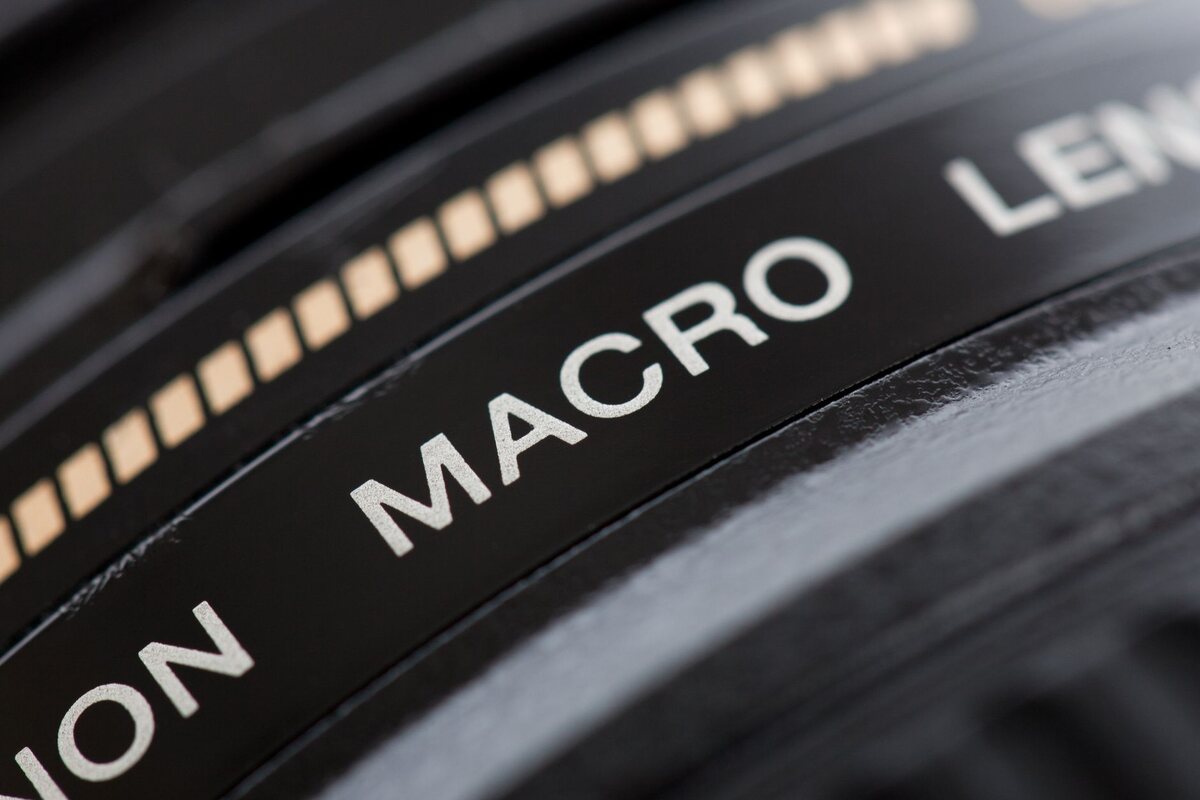
Every one of these companies still sells a lens first. Photo: Public Domain Pictures / Pexels
That is the useful part of the exercise. A launch deck tells you what changed; an executive answering a newspaper tells you what the company thinks a camera is for. The second is harder to walk back, and more useful to a buyer than any specification sheet.
All four agree that smartphones changed the floor of the market. They disagree about what sits above it: a nicer object, a cheaper flagship, a content engine, or a feeling.
Read the verbMake, process, simulate or feel. Each company leads with a different one.
Watch the lens roadmapA lens made for video or for a small body tells you who the camera is for.
Ignore the press releaseAn executive's answer lasts longer than a launch slogan, and it dates the same way.
Four companies, one question, and no shared definition of what a camera is for.
The four bets
Each entry is one company's answer, in its own words where the quote allows.
01
Canon: the experience
Style over specification
Canon's Go Tokura says young buyers are driving compact growth and "enjoy the shooting experience itself, even if it comes with some minor inconveniences." He adds that the lineup was built on performance and price, and now needs "elements of style and feel."
Best for anyone buying a camera as an object: Canon is the one betting that carrying it should feel good. The V-series video push and hybrid lenses follow the same logic: a camera you enjoy holding is easier to sell twice.
02
Nikon: the pipeline
Flagship features, cheaper bodies
Nikon's Hiroyuki Ikegami says cascading the Z9 down the range "drops the average selling price", and that investment is concentrated on processing engines, sensors and video cameras. He describes a camera as a "smartphone + 1" that saves the phone's battery.
Best for a buyer who wants yesterday's flagship: Nikon is openly planning to sell it to you, and is spending on the parts that make it cheap to build. It is the least romantic answer of the four, and the easiest to verify in a spec sheet.
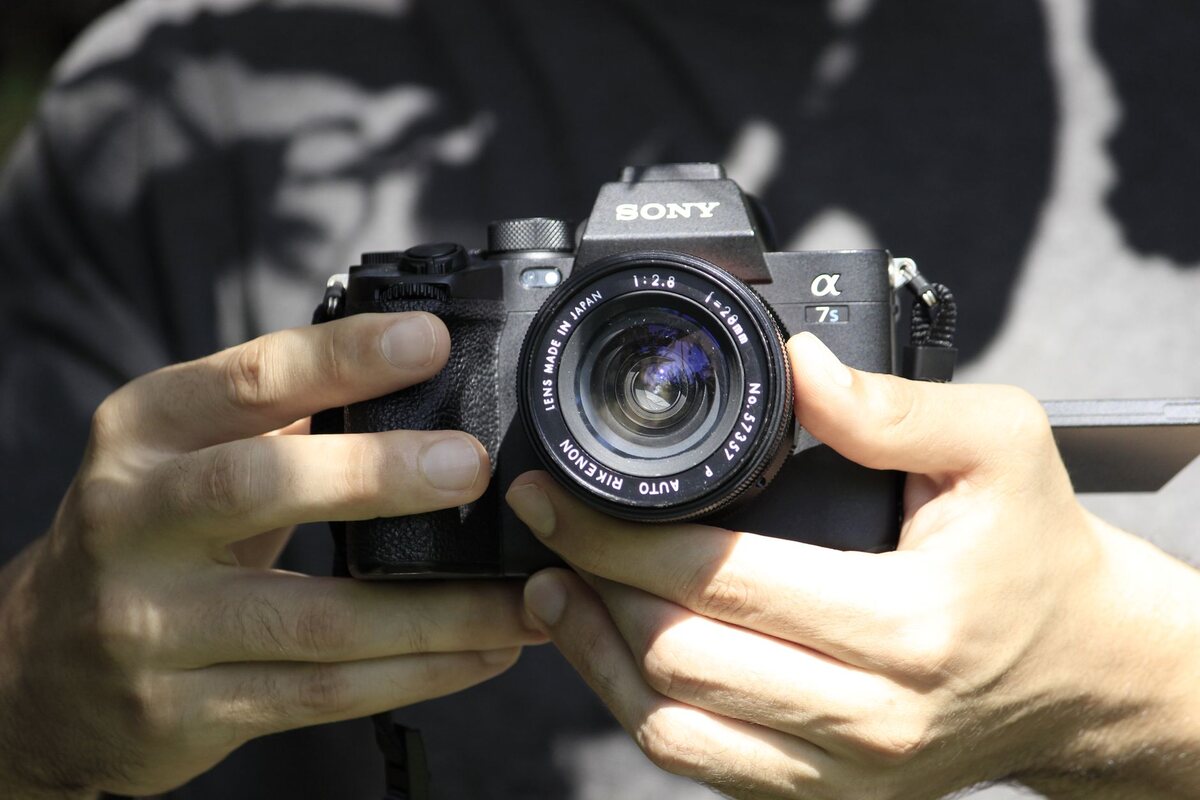
Two bodies, one bag: the customer all four are trying to keep. Photo: Karolina Grabowska / Pexels
03
Sony: the simulation
Cameras as content engines
Sony's Kenji Tanaka describes "Spatial AI": sensors capture a space, a digital twin is built, and the result becomes content "for people to experience back in the physical world." He calls dancers, musicians and athletes creators too. Alpha's "essence", he says, is value for creators and consumers, not a standalone camera business.
Best for a hybrid shooter: Sony is the only one describing the camera as an input device, which is either the clearest vision here or the one furthest from a still photograph. Either way, the still image is a by-product of the pipeline.
04
Fujifilm: the feeling
Dials, colour, and being there
Fujifilm's Koji Matsumoto credits smartphones with teaching people to see, then says the demand is for what phones cannot give: hands-on events, tactile dials, film tones. His line closes the argument: "AI can generate images, but only humans possess the subjective sense of feeling, 'This is real.'"
Best for a photographer selling presence: Fujifilm is the one whose product story is also an argument about why the job still exists. It is the only answer here that a client could repeat without knowing a camera model.
What this means for a buyer
Buy the lens roadmap, not the body. Every strategy above is carried by glass.
If video is half your work, weight Canon and Sony higher; both are building for it.
If price is the constraint, wait one cycle. Nikon has said where its flagships go.
If the camera is a tool you want to hold, pay for the dials. That is a strategy, not nostalgia.
Ask what the camera does when the phone is already good enough. That is the only gap left.
The gap is no longer the file. It is the reason to carry it. Photo: Ornán Rodríguez Velázquez / Pexels
None of the four is wrong. A market large can hold a camera that is an accessory, one that is a discount flagship, one that is a sensor for a virtual world, and one that is a way to spend an afternoon. The mistake is assuming they build the same thing. The camera you choose is a vote for one of these futures, whether you meant to vote or not.
That is the question to carry into a shop, and the one none of the four can answer for you.