A four-hour booking takes 16.75 hours of my time. The kit behind it costs $14,598 before the first enquiry. Neither number appears on the invoice, and that is why the invoice sounds high.
16.75 hStills, one four-hour event
$14,598Kit before a job is booked
What the number is measured against
Nobody flinches at a phone that costs four figures, because the phone is a thing. A photographer's invoice is not a thing. In my quotes it is a day of labour, the editing that follows, equipment I own and insure, and a licence, sold together.
The comparison error is easy to make: a camera and a photographer both produce a photograph, so the invoice gets compared to the camera's price. That is like comparing a restaurant bill to the price of a stove.
A camera is a purchase. A photographer is a small business with a camera in it.
Why the number lands high
Each one is a line in the quote that a buyer rarely sees separately.
01
The day is the smallest unit
Labour plus post, sold as one
My wedding and event days are followed by culling, colour, retouching and delivery; the hours after are what make the photographs usable.
Best for a buyer comparing quotes: ask what the delivery includes. Two quotes for the same date can be far apart because one includes that week and one does not.
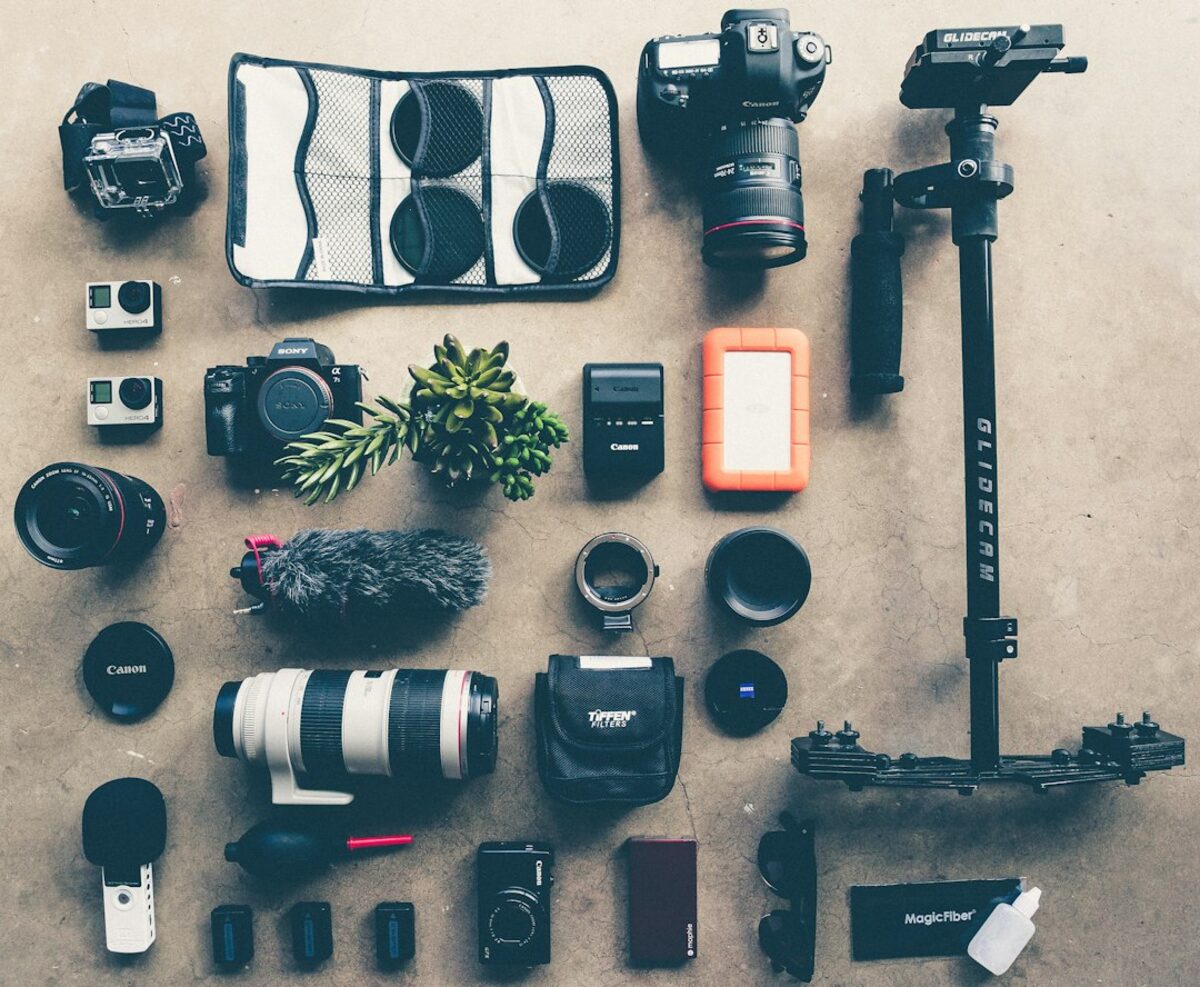
The kit, laid out: two bodies, a set of lenses, gimbal, audio and cards. Photo: Austin Photoblog
02
The gear is capital, not a gift
Bodies, lenses, lights, storage
Business equipment is depreciated over its useful life (IRS Publication 946); my kit is insured, backed up and replaced on a schedule.
Best for a buyer who thinks the gear is the price: indoor rooms need stands, AD200s, an AD600 and a parabolic modifier; outdoors a handheld flash is enough. The kit is a cost carried between jobs, not a souvenir included in yours.
03
The quote carries a business
Insurance, tax, software, admin
My business pays for liability cover, gear cover, software, storage, accounting and unpaid quoting time. I do not itemise it, and it sets the floor of my price. I also pay for the hours nobody buys: the enquiries that go nowhere, the dates held and cancelled, the software subscription that renews in a quiet month.
Best for anyone negotiating: a discount below the floor is a job that gets rushed later.
04
The file is not the licence
Copyright stays with the maker
The U.S. Copyright Office is explicit: owning a copy of a work does not give you the copyright in it, and a transfer of ownership generally must be in writing and signed by the owner (Circular 1). In my commissions, what you buy is a licence to use the photographs, not the copyright itself.
Best for a buyer planning to print or advertise: ask what the licence covers before the shoot, not after the invoice.
05
The comparison is a product
A phone, a camera, a print
A consumer product has one price and one owner. A commission has a date, a person, a licence and a result that cannot be re-shot. The two numbers are not on the same scale, which is why the invoice feels disproportionate even when it is ordinary for the work.
Best for a buyer who wants to compare properly: compare quotes to quotes, and compare what each one delivers, not to the price of the hardware.
A four-hour event, hour by hour
Coverage is the visible part. This is what a four-hour event with 200 photographs takes me: two and a half hours before the day, six and three-quarter hours during it, and seven and a half after it.
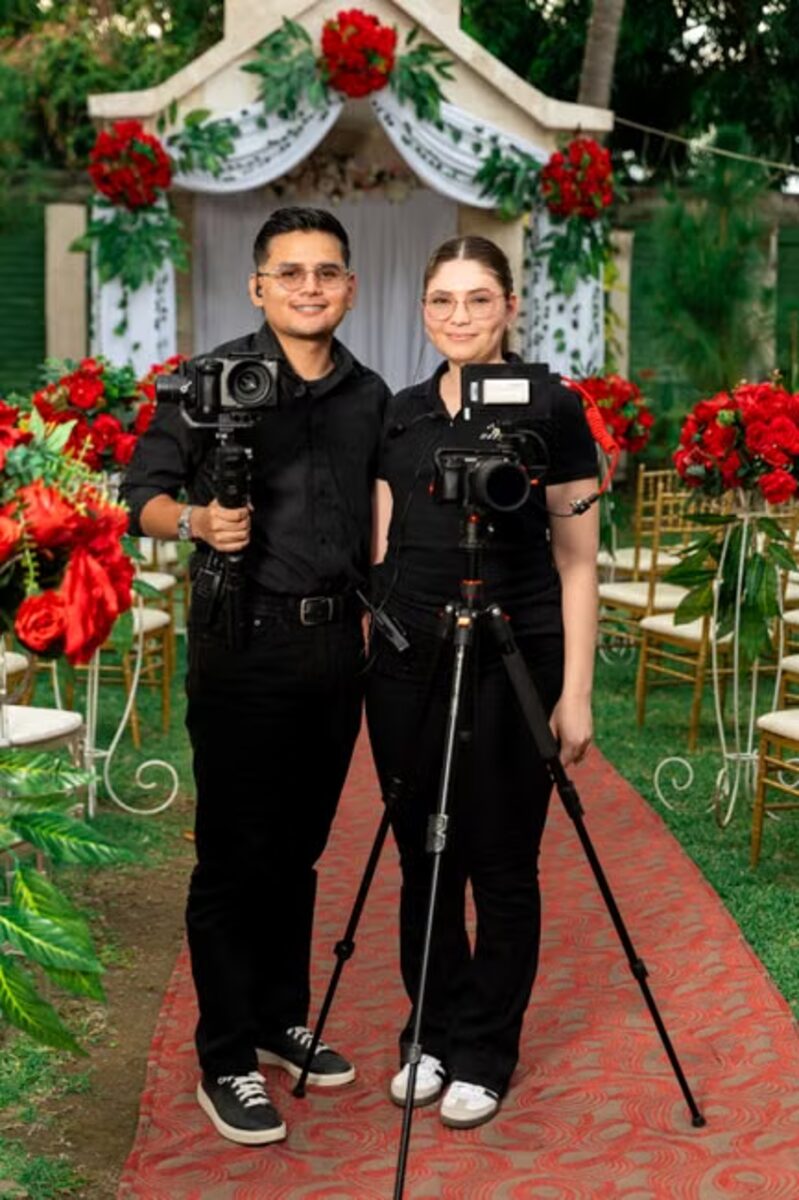
Cameras and tripod set on the floor before the ceremony begins. Photo: Austin Photoblog
Task
Stills
Film
Before the day
Enquiries, emails, negotiation, contract
1.50
1.50
Planning, event outline, confirmation
1.00
1.00
On the day
Commute to the venue
0.50
0.50
Setup, lighting test, card check
0.75
0.75
Gimbal build and second camera rig
–
0.75
Coverage: direction, subjects, requested groups
4.00
4.00
Pack down and check nothing is left
0.50
0.50
Brief and coordinate a second shooter
0.50
0.50
Commute back
0.50
0.50
After the day
Ingest, checksum, second backup
0.75
0.75
Sort, filter, cull
1.50
1.50
Edit and colour the set
3.00
3.00
Retouch the selected frames
1.50
1.50
Cut, grade and mix the film
–
2.00
Export, deliver, archive
0.75
0.75
Total
16.75
19.50
My own times for one event, not an industry benchmark
What the kit and the business cost
Gear is replacement value; running costs are published prices read in November 2026.
Item
Cost
Bought once, stills
Body and two f/2.8 zooms
$7,000
Two AD200 Pro II flashes
$698
AD600 Pro II, parabolic softbox, stands, triggers
$3,000
Cards, batteries, tripod, bag
$1,200
Computer and monitor
$2,700
Stills kit
$14,598
Bought once, film
Gimbal and second camera rig
$3,400
Stills plus film rig
$17,998
Every job
Second shooter, when the job needs one
$350–$700
Mileage, 40 miles at 72.5¢
$29
Every year
Liability insurance
$200
Cloud backup
$99
Lightroom and Photoshop
$240
Replacement values and list prices, read November 2026
Over 120 events the stills kit costs $122 a booking, or $150 with the film rig. Insurance, backup and software add about $4.50. A second shooter adds $350 to $700; mileage covers fuel, insurance and wear, because a car is not free to move.
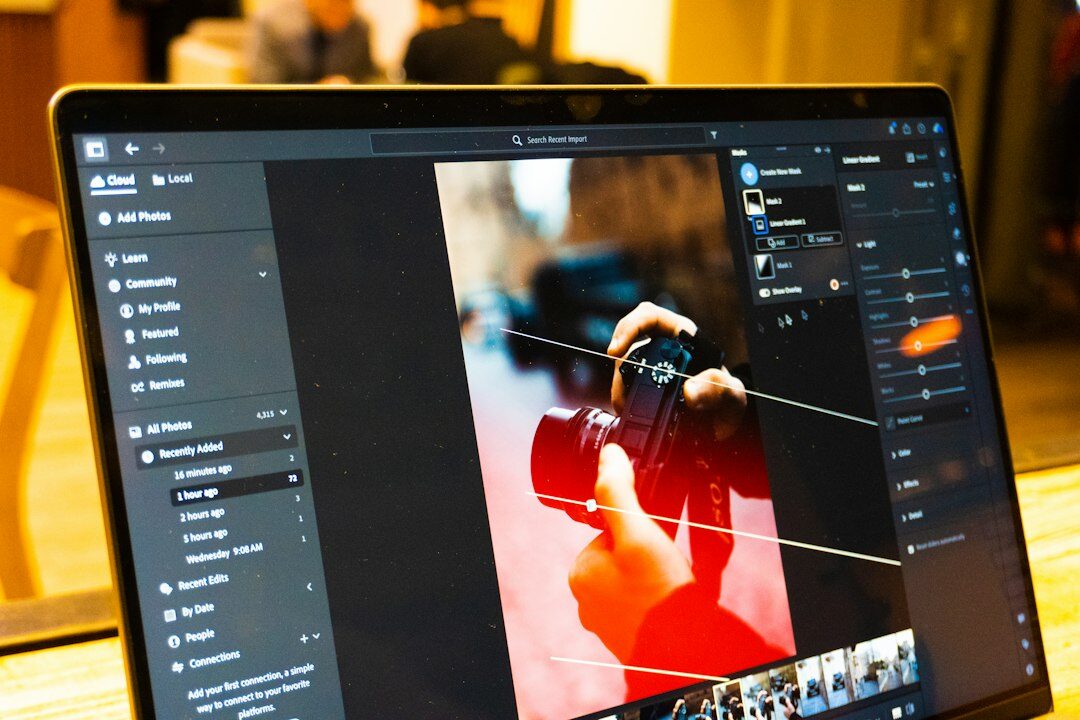
The cull on screen: the selection and colour pass that follow every shoot. Photo: Austin Photoblog
What to ask instead of “why so much”
Ask what the day includes after the day: editing hours, delivery time, number of frames.
Ask what the licence covers: personal use, print, advertising, resale.
Ask who owns the copyright, and whether a transfer is in the agreement.
Ask what happens if the equipment fails: backup bodies, insurance, a second shooter.
Ask for the floor: what would you remove to reach a lower number, and what does that cost me?
None of those questions lowers a price alone. They turn a number that feels arbitrary into a set of decisions a buyer can make. A quote that survives those five questions is usually not expensive; it is priced. It also tells you whether the work will be rushed.