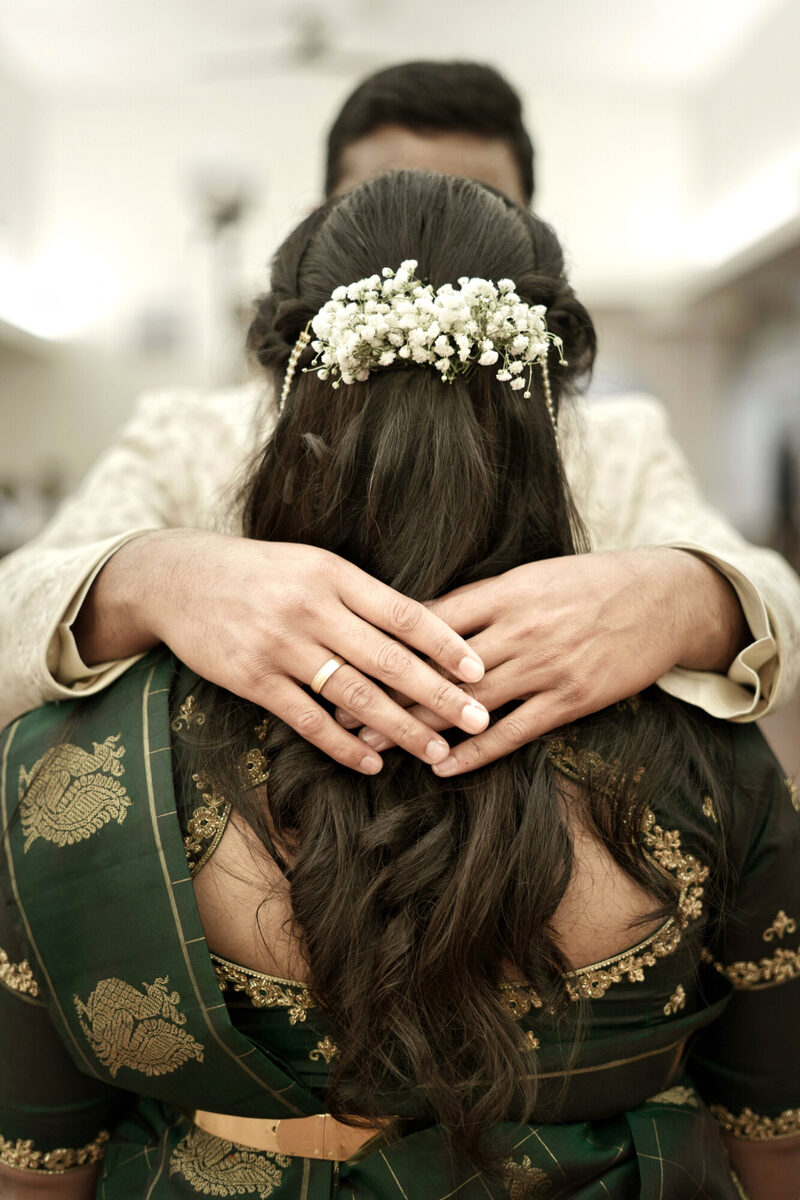
The photograph that travels in 2027 is less polished than the one that won in 2021. It is a carousel, framed vertically, sent to one friend, and captioned in the words people type into search. Seven changes, and what each one asks of a photographer.
What changes in 2027
Platform behaviour moves faster than taste. The shifts below come from the platforms' own reports and from the people who run them, not from a mood board.
The set clients send: one room, one hour, six frames.
None of the seven is a format for its own sake. Each is a place where a client now meets the work: a set they send, a vertical frame they watch, a caption they search, a label they check. A photographer can ignore all of it, but the gallery then needs another route to the client.
Craft moves to the editThe frame matters less than the set: five images that tell one story beat one hero shot.
Vertical is the defaultA horizontal frame is now a crop decision, not a delivery format.
Captions work like searchPeople look for a photographer inside the app, in the words they would type.
A polished set is no longer proof of skill. It is proof that you had time.
The seven trends
Each one is already visible in how clients send, save and search for photographs.
01
Carousels over single frames
Five to ten images that read as one set
Instagram ranks by watch time, likes and sends, and its head says sends now matter more than comments. He also says carousels beat single photos (Adam Mosseri, 2025–2026 Q&As, compiled by Zoomsphere).
Best for a wedding gallery: build one carousel around a single hour, not a best-of. The set is the story.
02
Imperfect beats polished
Texture, motion and real rooms
TikTok's 2026 trend report says audiences want realism over romanticism, and that content which once felt artfully curated now reads as over-polished.
Best for a studio that retouches heavily: keep one unretouched frame per set. The crease is evidence the day happened.
03
Process on camera
The set-up, the second take, the waiting
The same report says the most resonant accounts show real process and people over curated perfection, and that behind-the-scenes footage is what audiences come for.
Best for a photographer who hates being on camera: film the room being built, not your face. It still shows the work.
The photograph on the wall is also the one in their hands.
04
Vertical by default
4:5 in the feed, 9:16 in stories and reels
Sprout Social's 2026 spec guide puts short-form vertical at 1080 × 1920 (9:16) and the feed portrait at 4:5; the old square crop is no longer the safe middle.
Best for anyone still exporting 3:2: shoot loose at the top and bottom, then deliver a 4:5 set alongside the gallery.
The crop is the argument
A vertical frame holds the whole gesture.
A vertical file is not a landscape photograph squeezed. The frame above was made for a wall and still works at arm's length, because the subject sits inside the tall crop instead of at its edge.
That is the whole test of the format change: recompose for the phone at the moment you shoot, not in the export.
05
Provenance on the label
AI labels, self-disclosure, camera metadata
Meta labels images as AI-generated when industry signals detect it or when the uploader discloses it. The 2027 digital report counts 3.24 billion monthly generative-AI users, so the question is no longer rare.
Best for a studio selling authenticity: publish how a frame was made. A sentence about the camera and the edit is now a selling point.
06
Searchable captions
Write the words a client would type
The Digital 2027 report puts social networks first for brand research among 16 to 24 year olds, at 46.9 percent of that group. The caption is a search field now.
Best for a local studio: name the city, the venue and the kind of day in the first line, not a quote about light.
07
Niche, not broad
One community, spoken to plainly
TikTok's report describes identity moving into layered interests and niche communities, and creators running second accounts for a different side of the work.
Best for a photographer with two kinds of client: keep one feed for the weddings you want, one for the work that pays.
What does not change
A vertical crop does not improve a badly lit frame. A carousel does not rescue a set with no through-line. The platforms change the route; the photograph still has to survive a wall, a print, a decade.
What changes is the number of places one frame must work: a phone held at arm's length, a card in a grid, a print on a wall. Shoot for the smallest of them and the rest follows.
What to do with this on Monday
Cut every gallery into one carousel per hour. Five frames, one story, sent as a set.
Ship one unretouched frame in each set. Grain and creases survive the crop better than skin.
Export 4:5 and 9:16 at the same time as the 3:2. Decide later which platform earns which.
Write the first caption line as a search: city, venue, kind of day.
Say how the picture was made. Provenance is cheaper than a defence.
The list is short on purpose. A trend that needs a tutorial to see is not a trend yet; it is a campaign. These seven show up in the platform reports and in the behaviour of the people who book.
None of this changes what makes a photograph good. It changes where the photograph has to work. I shoot the frame for the wall and the set for the phone, and the second one now brings the first one its clients. That is the trade: a set for the feed, a frame for the wall, and enough honesty about both that a stranger can tell which is which.