
The unplugged wedding is over
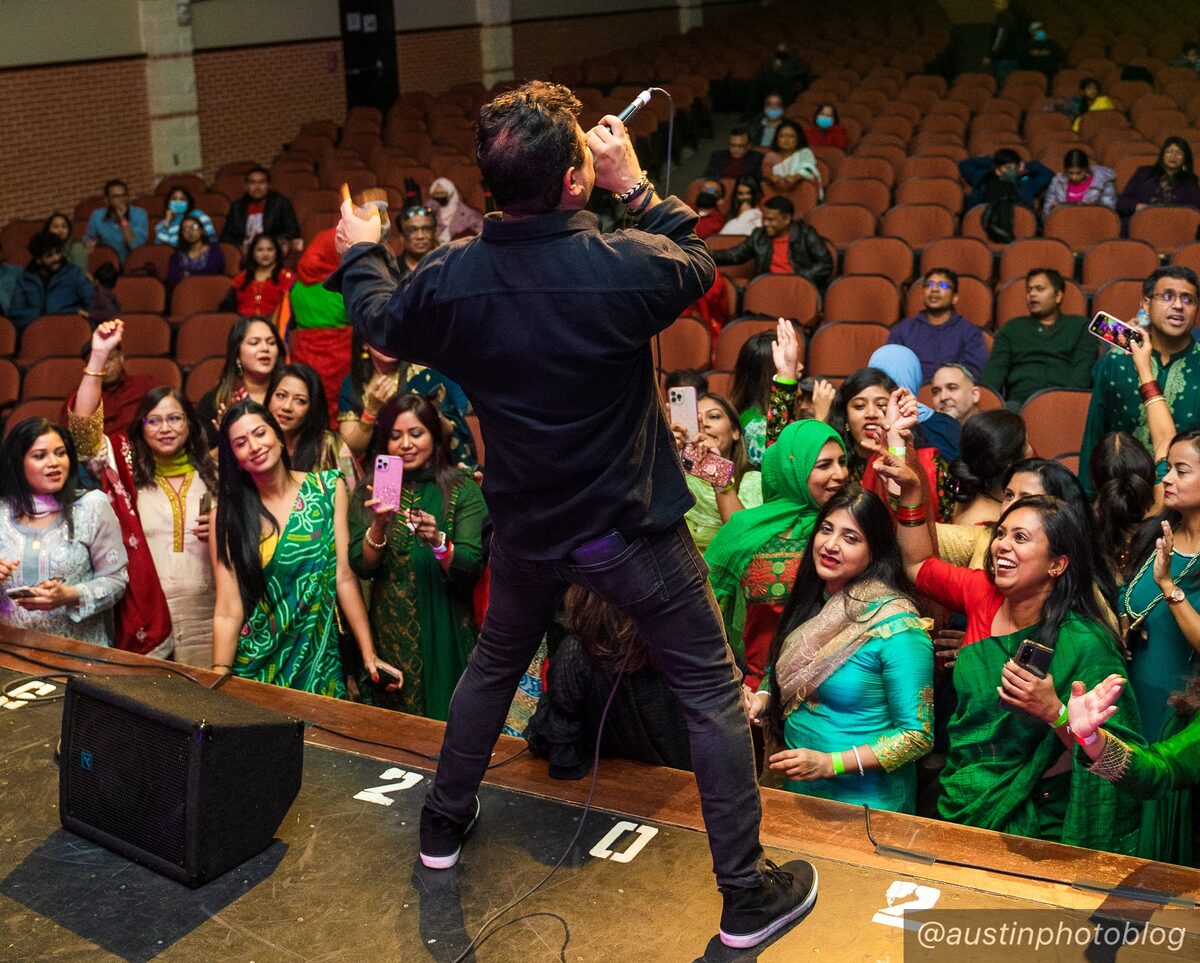
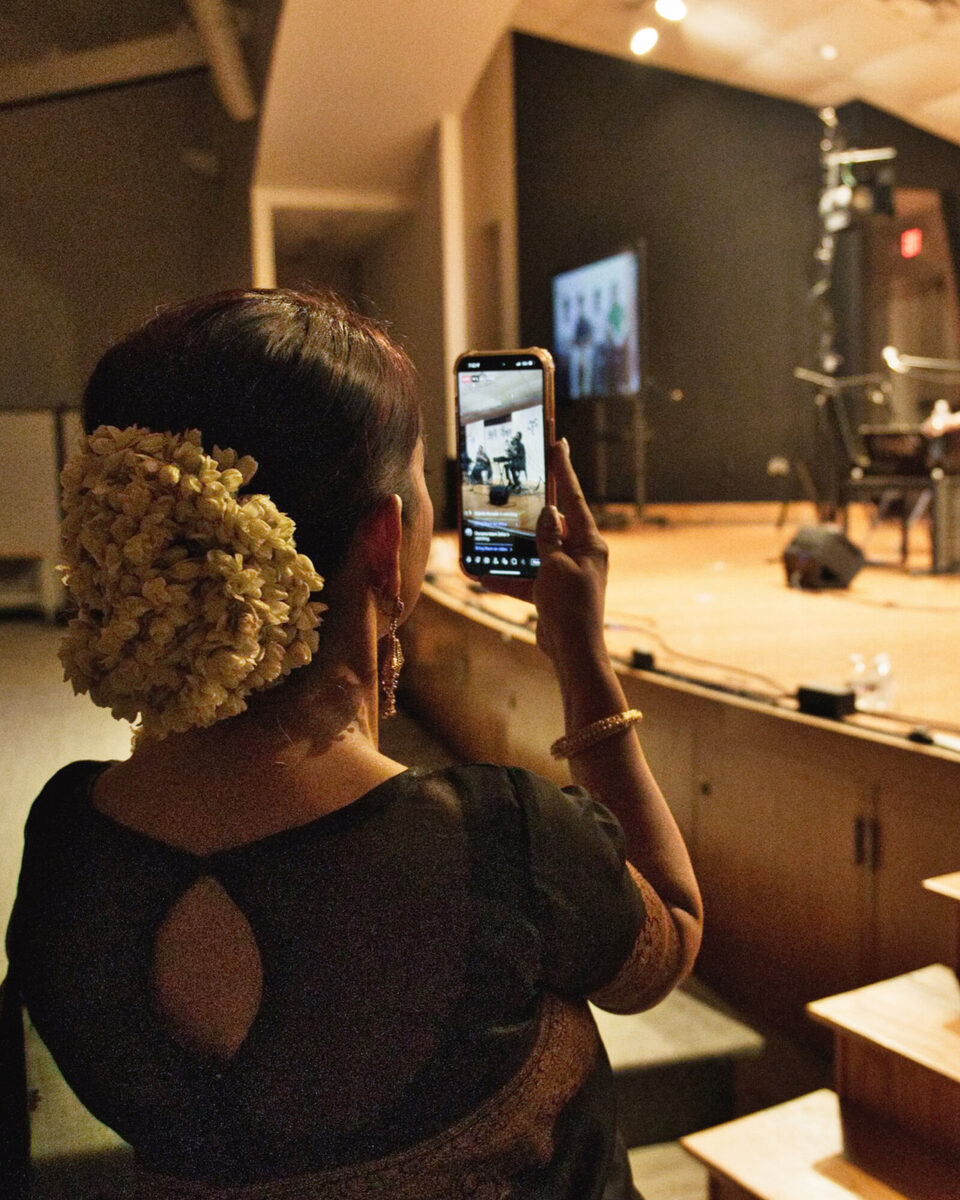
For a decade the ceremony began with a request: please put your phones away. This year I have not seen the sign once. The guests film the vows, and the room has quietly decided that is fine.
What the sign was for
The unplugged wedding arrived when every guest gained a camera and no guest knew where to stand. Photographers were losing the aisle shot to a wall of raised screens, and couples were shown a hundred versions of their own ceremony before they had seen mine.
The sign worked for a few years. Then it stopped being a request and became an instruction, and instructions are where a room turns polite and slightly resentful.
I still understand the argument. A guest watching through a screen is not watching. But the sign never fixed that. It moved the argument to the doorway, and the photographs taken from the third row were the price.
What changed this year
Two things, and neither is about manners. The first is the phone camera. A current phone shoots a usable frame in a dim hall without anyone thinking about exposure, so the guest who films the vows now gets a file worth keeping.
The second is where couples find their taste. More than half of couples now take wedding inspiration from TikTok, up from just over four in ten the year before (Zola's 2026 survey of 11,500 couples). A couple who has watched a thousand phone-shot weddings does not read a phone-free sign as romance. They read it as a rule about their own party.
The same survey found the shift underneath: couples are choosing a day that feels good in the room over one that photographs well for strangers. Vogue's 2026 report puts it the same way, guest experience over the version that looks best online.
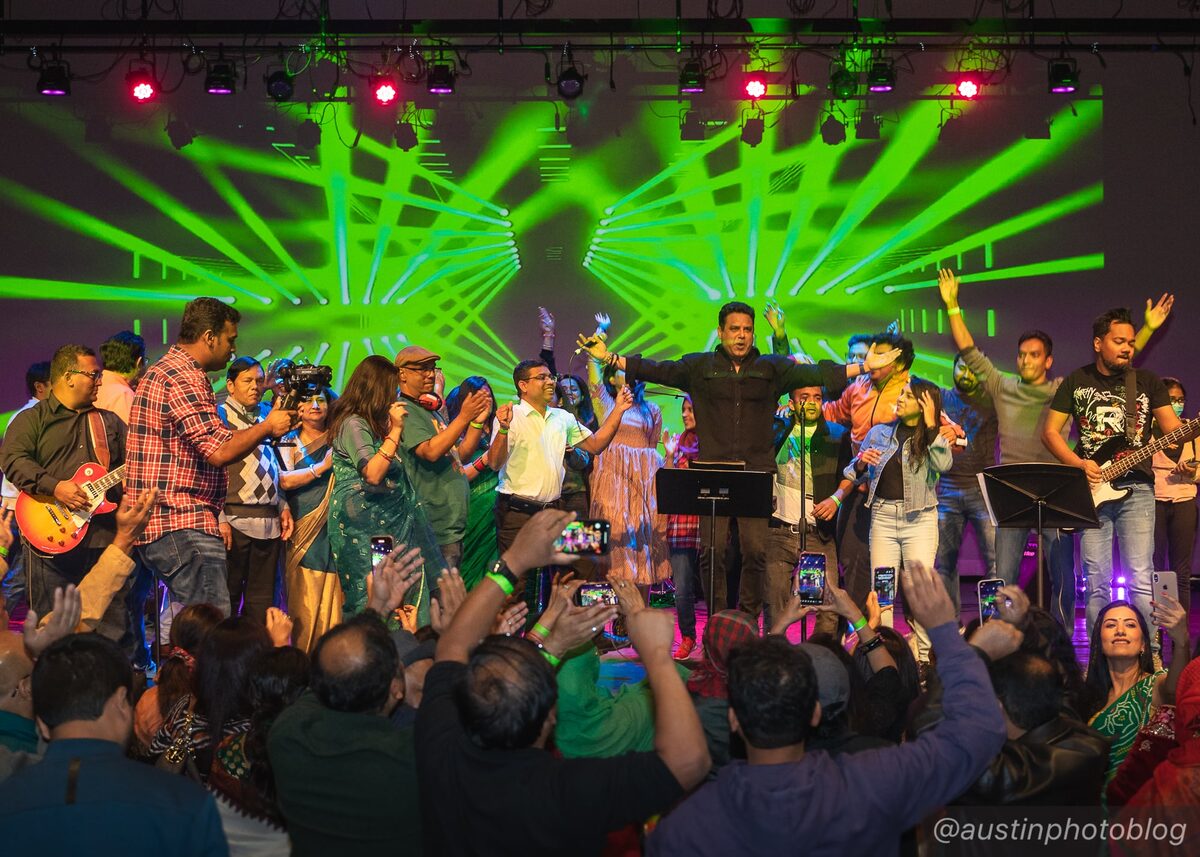
A room full of phones is what that looks like in practice. It is not a failure of the wedding. It is the wedding, seen from the back.
There is a quieter reason too, and it is about money. A guest who films the vows has something to send on Monday. That clip travels further than any gallery link, and half the enquiries that arrive in a given month can be traced to a wedding where nobody was stopped.
What I do instead of policing it
I stopped asking for a phone-free wedding and started asking for two minutes. The vows, nothing else. Two minutes where the only camera in the room is mine, announced by the person holding the microphone rather than written on a card.
Everything before and after is open season. Guests can film the entrance, the first dance, the speeches, the exit, and they will. Those clips are not competition. They are the other half of the archive, and half of them will be sent to me by the couple a year later with a question about printing one.
The practical work is sightlines. I place myself where a screen cannot come between me and the couple, and I ask the celebrant to leave one aisle clear. On a good day the guests form a shape around the ceremony that no photographer could arrange.
It also changes what I shoot. If thirty people are filming the vow, the interesting frame is no longer the vow. It is the grandmother watching her son watched by everyone else.
If thirty people are filming the vow, the frame that matters is the grandmother watching.
The one hour I still protect is the portrait session. Phones down for twenty minutes, because a group of fifteen cannot look at one lens while eight others are raised behind it. That is not a rule about etiquette. It is geometry.
When the sign still earns its place
There are rooms where it does, and I say so before the booking. A religious ceremony where the phone is not welcome is not my argument to win. A small elopement with six guests does not need a second camera crew. And a memorial, or any ceremony with a quiet at its centre, is the wrong place to test a theory about phones.
Everywhere else, the sign is a fight the couple pays for. They spend the morning asking aunts to sit down, and they get a set of photographs of people being told off at their own wedding.
The couple who want a phone-free day can still have one, and I will help them write the wording so it sounds like a request from them rather than a rule from the photographer. It should say what they want for the room, not what the photographer needs, and it should come from the celebrant rather than a sign by the door.
But it is now a choice about their guests, not a default about the photographs.
The investment page sets out what the coverage includes, and the phone guide covers what a guest with a phone can get. If you are choosing between the two, the price survey shows what each option costs.