The request usually arrives two days after delivery, phrased as a small favour. It is not a small favour, and the reasons are about ownership, colour and the work you already paid for, not about hiding anything.
What a commission buys
Under US copyright law the person who presses the shutter owns the copyright from the instant the frame exists. Paying the invoice buys the photographer's time, the delivered files, and a licence to use them within the scope in the contract. It does not buy the copyright.
A print release is not a copyright transfer either, and it is not a licence to edit. It lets you order prints without going through the studio. It does not let you sell the images, license them onward, or hand the files to someone else to re-edit.
Read the clauseThe contract states the deliverable and the permitted use.
Ask for scope, not dataMore usage is a licence question, not a file question.
Put it in writingAn email addendum protects both sides.
Five reasons the answer is no
These are the ones that come up on almost every shoot, in the order clients usually raise them.
01
RAW is not the photograph
The work · what you already paid for
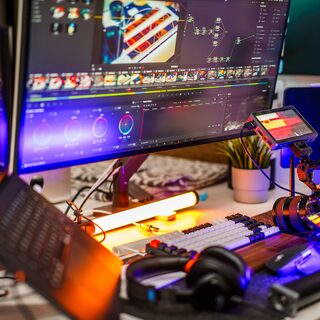
A raw file is sensor data with no grade · the edit is the deliverable · half the fee is the hours after the shoot
Do instead: judge the edit you were sent. If a frame is too dark or too warm, say which one and ask for a revision.
02
The files do not carry the rights
Copyright · what the contract licenses
Copyright stays with the photographer unless it is signed over · a print release is not a transfer · work for hire must be written and signed
Do instead: ask which uses the licence covers, and pay for a wider one if you need advertising or resale.
03
The colour is the studio's work
Colour · why the grade does not travel
Raw needs the maker's profiles to render correctly · a generic converter gives a different picture · skin tones are the first casualty
Do instead: ask for the final files in the profile you need. For a print lab, ask for sRGB JPEGs at the size the lab wants.
04
Handover has a cost and a risk
Delivery · files and liability
A raw set is many times the size of the delivered images · transfer takes hours and needs a drive · an unedited file can be re-graded into something the studio would not sign
Do instead: ask for a second delivery of edited files at a larger size if the concern is print quality.
05
The album is the deliverable
Output · what survives
A raw file opens in software you may not own in five years · a print does not need a codec · families look at albums, not folders
Do instead: put the money into an album or a set of prints. That is the thing that outlasts the drive.
The licence is decided at signing, not after delivery. Photo: cottonbro studio / Pexels
The trust question underneath
Most requests for raw data are not technical. They arrive because the client is not sure what they paid for, or because a previous photographer sent a gallery that was hard to use. The answer to that is not a folder of sensor files; it is a clearer deliverable and a shorter conversation.
Ask for the edit rationale if the grade surprised you. Ask which frames were rejected and why. Ask what the files are sized for. A studio that can answer those questions is telling you more about its work than a hard drive would.
This is also why the contract matters more than the file format. A licence that names the use, the duration and the territory is worth more than a copy of the raw frames, and it is the part a court would read.
If the worry is that the studio will disappear, ask what happens to the archive. Reputable photographers keep the edited gallery online for a stated period and will re-send a link. That promise belongs in writing, and it is a better answer than a folder you cannot open.
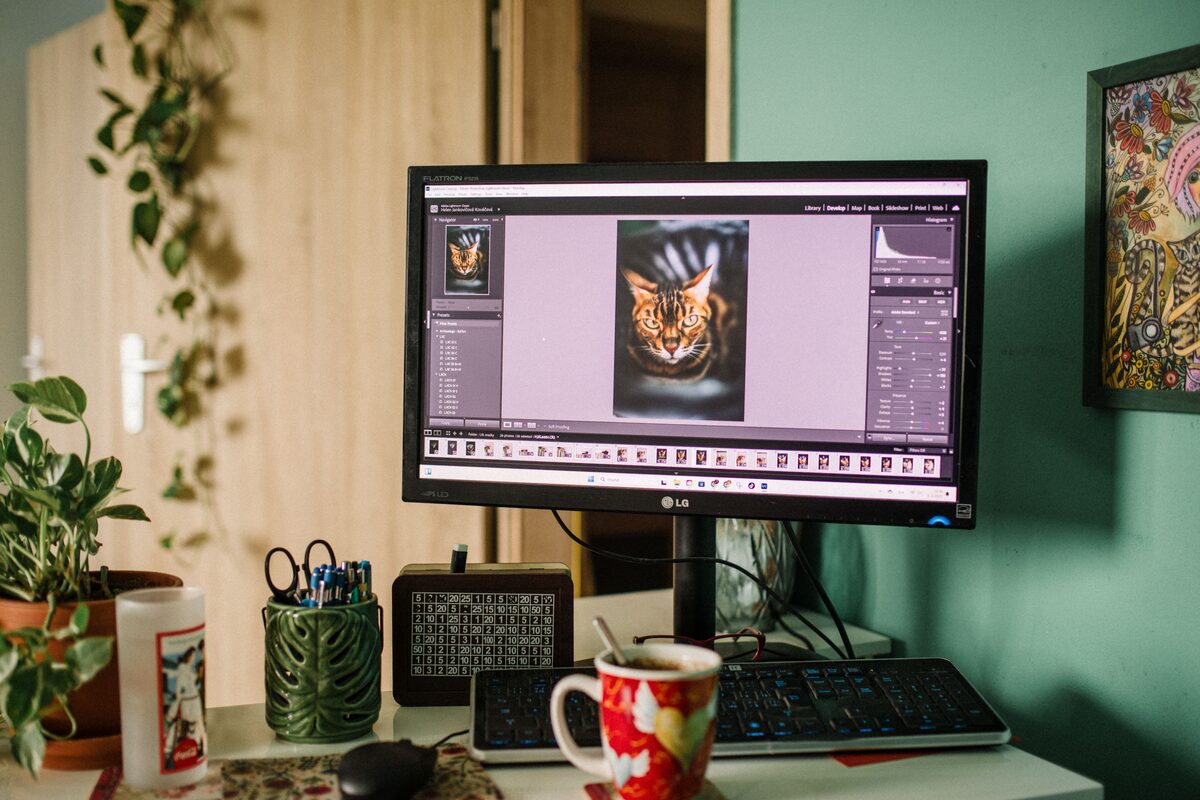
The grade is the work, and it is done after the shoot. Photo: Helena Jankovičová Kováčová / Pexels
What to ask for instead
Ask for the final files at the size you need, in the colour space the lab wants, with the licence scope written down. If you plan to use the photographs in advertising, say so before the shoot and pay for that licence. If you want everything the photographer kept, ask what an archival handover would cost, in writing, with terms.
That conversation is normal, and it is shorter than the one about raw files. It is also the one that changes what you can do with the photographs afterwards.
Photographers have it often, and the answer changes when the question is about use rather than about data. Bring the intended use, the audience and the time frame, and the licence can be priced instead of argued. The investment page sets out what a commission includes; recent work shows the standard the files are graded to.